The Importance of Reliable Sensors in Preventing Drum Leaks and Spills

Understanding Drum Level Sensors and Their Functionality
What is a Drum Level Sensor?
A drum level sensor stands as a vital device in industrial storage systems, precisely monitoring the liquid levels inside drums, barrels, and tanks to prevent overflows, leaks, or empty conditions. These sensors, often integrated into 55-gallon drums or larger bulk tanks, detect the presence and volume of fluids like oil, chemicals, or water. Engineers rely on them for accurate drum level measurement, ensuring safe handling of hazardous materials. In settings involving corrosive acids or fuels, a reliable drum level sensor acts as an early warning system, alerting operators to potential issues before they escalate. Unlike basic gauges, modern drum level indicators incorporate advanced technology for real-time data, supporting applications from oil drums to chemical storage. This precision reduces waste and enhances operational efficiency, making drum level sensors indispensable in manufacturing and logistics. By providing continuous drum monitoring, they safeguard against spills that could harm the environment or personnel. Industries choose these sensors for their durability in harsh conditions, whether submersible in liquids or mounted externally on polyethylene or stainless steel containers.
Types of Drum Level Sensors
Drum level sensors come in various types to suit diverse industrial needs, each offering unique advantages for drum level detection and measurement. Float switches represent a classic option, where a buoyant element rises or falls with the liquid level in barrels or 55-gallon drums, triggering electrical signals at set points. Capacitive sensors excel in non-contact detection, ideal for plastic or HDPE drums holding corrosive substances like acids. Ultrasonic sensors use sound waves to gauge distances, providing non-invasive level sensing for drums with irregular shapes or foaming liquids. Pressure transducers measure hydrostatic pressure at the drum's base, converting it into accurate level readings for tanks and submersible applications. Transmitters, often electronic, send data wirelessly for remote monitoring of drum capacity. For gas or volatile fluids, specialized drum liquid level sensors incorporate safety features to prevent ignition risks. Switches and gauges complement these, with drum level gauges offering visual indicators for quick checks. Selecting the right type—whether for fuel, water treatment, or chemical storage—ensures precise drum monitoring and prevents costly downtime.
How Level Sensors Work
Level sensors operate through sophisticated mechanisms that translate physical changes in a drum's contents into actionable data. In a typical setup, a drum level sensor probes the interior of an oil drum or chemical barrel, responding to variations in liquid height. Float switches bob on the surface, activating contacts when the fluid reaches high or low thresholds in 55-gallon containers. Ultrasonic sensors emit pulses that bounce off the liquid surface, calculating distance via echo time for accurate drum level measurement. Pressure transducers detect the weight of the column of liquid in tanks, factoring in density for precise readings even in corrosive environments. Capacitive models sense changes in electrical fields caused by the presence of liquids like fuels or acids in PVC or stainless steel drums. Transmitters amplify these signals, integrating with control systems for automated alerts on drum leaks or overfills. This real-time drum monitoring relies on robust electronics to withstand vibrations and temperature swings. By continuously assessing drum capacity, these sensors enable proactive management, from simple level detection in water treatment to complex fluid dynamics in bulk storage.
The Critical Role of Reliable Sensors in Leak Prevention
Consequences of Drum Leaks and Spills
Drum leaks and spills unleash severe repercussions across industries, from environmental damage to financial losses and safety hazards. A single breach in a 55-gallon drum containing chemicals can contaminate soil and waterways, triggering regulatory fines and cleanup costs exceeding thousands of dollars. In oil and fuel storage, spills ignite fire risks, endangering workers and infrastructure while halting operations. Corrosive acids leaking from HDPE or polyethylene barrels erode equipment and pose health threats through toxic fumes or skin contact. Water treatment facilities face disruptions when untreated liquids escape, compromising public health and ecosystem balance. Without proper drum level indicators or sensors, undetected overfills lead to structural failures in tanks, amplifying spill volumes. These incidents strain insurance claims, damage reputations, and invite lawsuits. Proactive use of drum level sensors mitigates these dangers by enabling early intervention, preserving assets, and ensuring compliance with strict environmental standards. Industries investing in reliable monitoring avoid the cascading effects of even minor leaks, fostering safer, more sustainable practices.
How Sensors Detect Leaks Early
Sensors detect leaks early by vigilantly tracking fluid dynamics within drums, alerting operators to anomalies before visible spills occur. A drum level sensor continuously measures volume in barrels or 55-gallon tanks, identifying sudden drops that signal breaches in seals or walls. Ultrasonic sensors pinpoint irregularities in liquid levels, distinguishing between normal evaporation and actual leaks in chemical storage. Pressure transducers sense pressure imbalances caused by escaping fluids, providing instant data for submersible or external mounts on stainless steel drums. Float switches trigger alarms at predefined low levels, preventing total drainage in fuel or oil applications. Integrated transmitters relay this information to central systems, enabling remote drum monitoring and rapid response. In corrosive environments with acids or gases, robust level detection sensors withstand exposure while maintaining accuracy. Drum level gauges and indicators visualize trends, helping teams spot gradual seepages that could escalate. This early warning capability slashes spill risks, minimizes environmental impact, and cuts downtime, proving essential for safe handling of liquids in diverse settings from manufacturing to logistics.
Materials Used in Drum Level Sensors
Drum level sensors utilize durable materials tailored to withstand the rigors of industrial liquids and environments. Stainless steel constructions dominate in corrosive applications, resisting acids and chemicals in 55-gallon drums without degrading. Polyethylene and HDPE variants offer lightweight, chemical-resistant housings ideal for plastic barrels holding fuels or water. PVC components provide cost-effective insulation for non-aggressive fluids, ensuring longevity in water treatment tanks. Submersible sensors often feature reinforced plastics or titanium for immersion in harsh liquids, preventing corrosion that could compromise accuracy. Electronic drums and transmitters incorporate sealed enclosures with epoxy coatings to shield circuits from moisture and vapors. Float switches use buoyant polypropylene for reliable operation in oils or gases. These materials enable precise level measurement across polyethylene tanks or stainless steel bulk storage, balancing durability with sensitivity. Selecting appropriate compositions—whether for ultrasonic sensors or pressure transducers—guarantees performance in demanding conditions, from drum monitoring in chemical plants to fuel depots, ultimately preventing leaks through resilient design.
Calibration and Maintenance of Drum Level Sensors

Importance of Calibration for Accuracy
Calibration ensures drum level sensors deliver precise readings, directly impacting leak prevention and operational safety. Technicians adjust these devices against known standards, fine-tuning sensitivity to match specific liquids in 55-gallon drums or tanks. Without regular calibration, inaccuracies arise from sensor drift, leading to false alarms or overlooked low levels in chemical or fuel storage. In water treatment, uncalibrated ultrasonic sensors misjudge volumes, risking overflows into ecosystems. Pressure transducers require periodic checks to account for density variations in acids or oils, maintaining reliable drum level measurement. This process verifies the functionality of switches, transmitters, and gauges, aligning outputs with actual drum capacities. Industries benefit from enhanced accuracy that complies with safety regulations, reducing spill probabilities. Calibration schedules, often annual or after installations, extend sensor lifespan and optimize performance in submersible or external setups. By prioritizing this step, facilities avoid costly errors, ensuring drum monitoring remains a trustworthy safeguard against environmental and financial hazards.
Routine Maintenance Practices
Routine maintenance keeps drum level sensors operating at peak efficiency, preventing failures that could lead to leaks or spills. Operators inspect float switches for debris buildup in barrels, cleaning them to ensure smooth movement in liquids like fuels or chemicals. Ultrasonic sensors undergo wipe-downs to remove residues from 55-gallon drums, preserving echo accuracy for level detection. Pressure transducers need checks for seal integrity in corrosive environments, replacing gaskets in HDPE or stainless steel housings as needed. Transmitters and electronic components receive firmware updates for optimal data transmission in remote drum monitoring setups. Visual examinations of drum level gauges spot wear on PVC or polyethylene parts, addressing issues before they affect measurement. Scheduled testing simulates low or high levels in tanks, confirming alarms function correctly. These practices, performed monthly or quarterly, minimize downtime and extend the life of submersible sensors in water treatment. Consistent upkeep fosters reliability, enabling proactive management of drum capacities across oil, chemical, and industrial applications.
Troubleshooting Common Issues
Troubleshooting common issues with drum level sensors restores functionality and averts potential leaks swiftly. When a sensor fails to detect levels in 55-gallon drums, technicians first verify power supplies and connections for transmitters or switches. False readings from ultrasonic sensors often stem from foam or vapors in chemical barrels; recalibrating or repositioning resolves this. Pressure transducers exhibiting drift in fuel tanks require zeroing against atmospheric pressure to correct hydrostatic errors. Corrosion on stainless steel probes in acid storage demands cleaning with non-abrasive solutions, preventing signal interference. Float switches sticking in viscous liquids like oils benefit from lubrication and debris removal. Drum level indicators showing erratic displays point to wiring faults, which systematic continuity tests identify. In water treatment, submersible sensors logging inaccuracies may need drying or replacement of seals. Documenting these fixes builds a knowledge base for future incidents, ensuring minimal disruption. Effective troubleshooting upholds accurate drum monitoring, safeguarding against spills in diverse industrial scenarios.
Applications of Drum Level Sensors Across Industries
Oil and Fuel Monitoring
Oil and fuel monitoring relies heavily on drum level sensors to manage volatile substances safely in 55-gallon drums and bulk tanks. These sensors track gasoline or diesel levels, preventing overfills that spark dangerous spills or fires. Ultrasonic models provide non-contact measurement in metallic barrels, ideal for high-vapor environments. Pressure transducers gauge hydrostatic levels accurately, even as temperatures fluctuate during storage. Float switches activate pumps at low thresholds, ensuring uninterrupted supply in automotive or aviation sectors. Transmitters enable real-time data for remote oversight of oil drums in depots, integrating with inventory systems. Stainless steel constructions withstand the corrosive nature of fuels, while polyethylene options suit portable setups. Drum level gauges offer quick visual checks for operators handling 55-gal containers. This technology minimizes waste, complies with safety standards, and reduces leak risks, proving essential for efficient fuel distribution and storage across energy industries.
Chemical Storage Solutions
Chemical storage solutions benefit from drum level sensors designed to handle aggressive substances like acids and solvents in secure barrels. Capacitive sensors detect levels without contact, perfect for corrosive liquids in HDPE or PVC drums. These devices alert to leaks early, averting hazardous releases that could endanger workers or contaminate sites. Submersible transmitters immerse in tanks, sending precise data for automated shutoffs in manufacturing plants. Float switches manage binary high-low controls in 55-gallon chemical drums, integrating with ventilation systems. Ultrasonic sensors excel in foaming solutions, providing reliable drum level measurement despite agitation. Stainless steel housings resist degradation, ensuring longevity in harsh conditions. Drum monitoring prevents overpressurization from undetected fills, supporting compliance with EPA guidelines. Industries from pharmaceuticals to agriculture deploy these sensors for safe, efficient storage, optimizing inventory while prioritizing environmental protection.
Water Treatment Facilities
Water treatment facilities deploy drum level sensors to oversee chemical dosing and storage, ensuring precise control of additives in 55-gallon drums. These sensors monitor chlorine or coagulant levels in polyethylene tanks, triggering refills to maintain treatment efficacy. Ultrasonic sensors handle murky liquids without fouling, delivering accurate readings for process optimization. Pressure transducers measure depths in bulk tanks, accounting for sediment variations. Float switches prevent dry runs in pumps, safeguarding equipment from damage. Integrated transmitters connect to SCADA systems for centralized drum monitoring, enabling predictive maintenance. Submersible designs suit immersion in water reservoirs, with PVC components resisting mild corrosives. Drum level indicators visualize trends, aiding operators in adjusting flows to meet purity standards. This application curbs overflows that could disrupt filtration, supporting sustainable water management and public health initiatives across municipal and industrial sites.
Future Trends in Drum Level Sensing Technology
Innovations in Sensor Technology
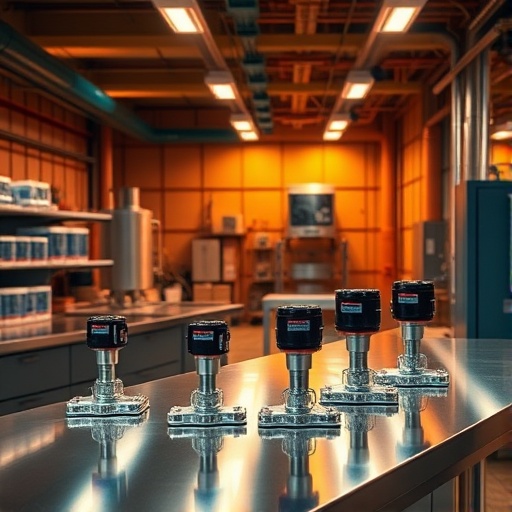
Innovations in sensor technology revolutionize drum level sensing, introducing smarter, more resilient devices for industrial use. Advanced nanomaterials enhance durability of ultrasonic sensors, allowing them to operate in extreme temperatures within 55-gallon chemical drums. AI-driven algorithms process data from pressure transducers, predicting leaks by analyzing patterns in fuel tanks. Wireless, battery-free transmitters harvest energy from vibrations, extending deployment in remote oil barrels. Hybrid capacitive-ultrasonic models offer multi-point detection for complex liquids in HDPE containers. Self-calibrating float switches adapt to fluid densities automatically, reducing manual interventions in water treatment. These breakthroughs enable finer drum level measurement, with resolutions down to millimeters. Stainless steel and advanced polymers fortify housings against corrosives, broadening applications. Such progress promises reduced maintenance and heightened accuracy, transforming drum monitoring into a proactive, data-rich domain for safer storage solutions.
Integration with IoT for Enhanced Monitoring
Integration with IoT elevates drum level sensors to connected ecosystems, providing seamless, real-time oversight of storage assets. IoT-enabled transmitters stream data from 55-gallon drums to cloud platforms, allowing global access for fleet managers tracking fuel levels. Ultrasonic sensors pair with gateways for predictive analytics, forecasting replenishment needs in chemical tanks. Pressure transducers feed into dashboards that visualize trends, alerting to anomalies like slow leaks in oil barrels. Float switches trigger automated valves via smart networks, preventing spills in submersible setups. This connectivity supports blockchain for tamper-proof logging in regulatory compliance. Drum level gauges evolve into app-based interfaces, empowering mobile monitoring. In water treatment, IoT integration optimizes dosing by correlating levels with usage data. Enhanced security protocols protect against cyber threats, ensuring reliable performance. Overall, IoT fusion drives efficiency, cuts costs, and bolsters leak prevention across industries.
The Role of Ultrasonic and Pressure Transducers in Level Measurement
Ultrasonic and pressure transducers play pivotal roles in level measurement, offering versatile solutions for drum applications. Ultrasonic sensors emit waves to map liquid surfaces in barrels, excelling in non-conductive fluids like oils without physical contact. They handle foam and vapors effectively, providing precise drum level detection in 55-gallon tanks. Pressure transducers, conversely, rely on fluid weight to infer heights, thriving in submerged environments for chemicals or water. These devices convert millibar readings into volume data, compensating for temperature in stainless steel drums. Combined, they enable hybrid systems for comprehensive monitoring, from low-viscosity gases to dense acids. Transducers integrate with transmitters for scalable setups in bulk storage, enhancing accuracy over traditional gauges. Innovations like miniaturized designs fit tight spaces in polyethylene containers. Their non-invasive nature minimizes contamination risks, making them staples in leak prevention. As technology advances, these transducers promise even greater sensitivity, redefining reliable drum level sensing in dynamic industrial landscapes.